
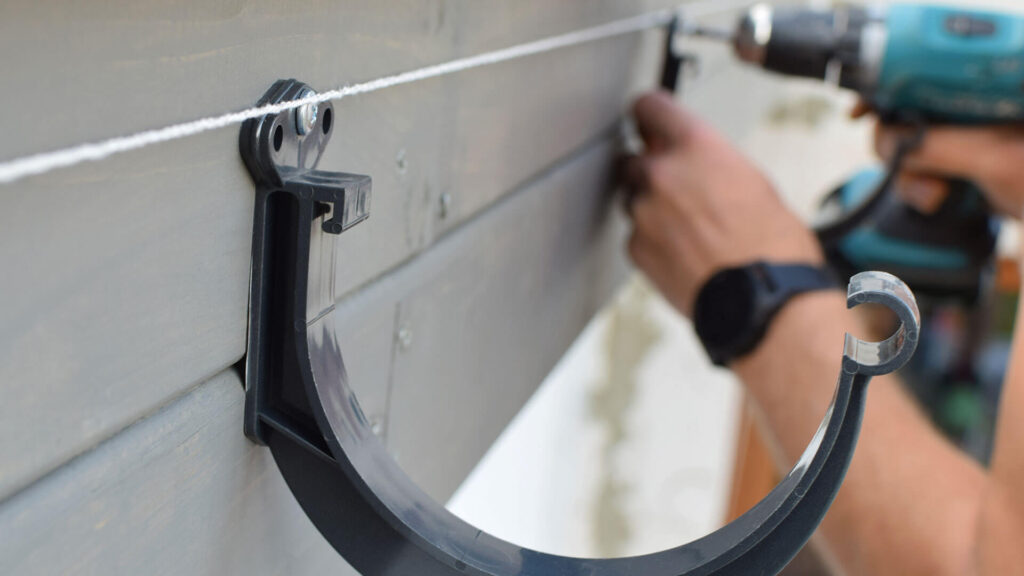
Alright, let’s talk about something we all love to ignore until it’s literally pouring into our living room: our gutters. And more importantly, how those neglected troughs are secretly the best friends or worst enemies of your roof.
We’ve seen it all at Roofing Pros here in Columbus. A homeowner calls us in a panic about a roof leak, convinced they need a full roof repair or even a roof installation. We get up there, and guess what? The shingles are often perfectly fine. The real culprit? A gutter system that’s given up the ghost. It’s like blaming the engine when you’ve just got a flat tire. So, grab a coffee, and let’s unravel this interconnected mess together.
The Unsung Hero: Your Gutter System
Think of your roof and gutter as a dynamic duo. Batman needs Robin, and your roof desperately needs functional gutters. Their entire job is simple: manage water. When it works, you never think about it. When it fails… well, that’s when we get the call.
Your roof sheds water. Your gutters catch it and channel it away from your house. It’s a beautiful partnership. But when gutters clog, sag, or pull away, that partnership turns toxic. The water has to go somewhere, and that somewhere is usually back onto your roof, into your fascia, or into your home’s foundation. None of those are good options, trust us.
How Bad Gutters Wreak Havoc on Your Roof
Let’s get into the nitty-gritty. How exactly does a gutter problem become a roof emergency? Let us count the ways.
Ice Dams: The Winter Saboteur
This is a big one for our Columbus winters. When gutters are clogged with leaves and debris, melting snow from your roof has nowhere to go. It pools in the gutters, refreezes at night, and creates a dam of ice. Subsequent meltwater backs up under your shingles. Now you’ve got water in your attic, soaking your insulation and ceiling. What started as a simple need for gutter repair just turned into a major interior disaster. IMO, ice dams are one of the most expensive consequences of lazy gutter maintenance.
Fascia and Soffit Rot: The Silent Assassin
Your gutters are mounted to the fascia board—the long, straight board behind the gutter. When gutters overflow constantly, they pour water directly onto that wood. Ever seen paint peel and wood turn soft and black? That’s rot setting in. Once the fascia is compromised, the gutter attachments loosen, the gutter falls, and now you’re looking at repairing the wood and the gutter system. It’s a costly domino effect.
Shingle Damage and Granule Loss
Constant overflow from clogged gutters means water cascades down your roof’s face in sheets, instead of neatly into the trough. This excessive, concentrated water flow accelerates granule loss from your asphalt shingles. Those granules are the sunblock and armor for your roof. Lose them, and your shingles age prematurely, leading to roof leaks and the need for a roof restoration much sooner than you planned.
Foundation Issues: The Downstream Problem
Okay, this one’s not directly on the roof, but it’s so critical we have to mention it. Water that isn’t directed away from your house by the downspouts saturates the soil around your foundation. This can cause cracks, settling, and basement leaks. So, a $200 gutter cleaning can prevent a $20,000 foundation repair. Talk about a return on investment!
Here’s a quick cheat sheet to connect the gutter symptom to the potential roof problem:
| Gutter Symptom | Immediate Consequence | Long-Term Roof & Home Damage |
|---|---|---|
| Clogging & Overflow | Water spills over edges | Fascia rot, shingle erosion, ice dams |
| Sagging or Pulling Away | Water pools near roof edge | Wood rot, improper drainage, storm damage vulnerability |
| Leaking Seams/Joints | Water drips down wall | Siding damage, foundation erosion, basement moisture |
| Improper Slope | Water pools in gutter | Accelerated rust/corrosion, breeding ground for pests |
The Stormy Season Double Whammy
Living in Columbus means dealing with some serious weather. Storm damage and wind damage are facts of life. Now, combine a fierce storm with poorly maintained gutters. It’s a recipe for disaster.
High winds can turn clogged, heavy gutters into sails. We’ve seen them get ripped clean off the house, taking chunks of fascia and even roof edge with them. A clean, lightweight gutter system is far more likely to survive a storm intact. And after a storm, checking your gutters is just as important as checking your shingles for missing granules or damage. It’s all part of the same protective shell.
FYI, if you’ve just had a big storm roll through, it’s a perfect time for a quick visual check from the ground. See any gutters hanging at a funny angle or spouting like a waterfall in the middle? Give a top-rated Columbus roofing company like us a ring. We can handle both the roof repair and the gutter repair in one go.
Beyond the House: Don’t Forget Commercial Roofing
This isn’t just a homeowner headache. For our commercial roofing clients, the scale is bigger, but the principle is the same. A clogged internal drain or scupper on a flat roof can cause ponding water, which is the #1 enemy of commercial roof membranes. The weight of the water stresses the system, and standing water finds a way in—always. Regular inspection and maintenance of drainage paths are non-negotiable for protecting that large investment.
“But My Roof is New!” And Other Myths
We hear this a lot. “My roof was just installed, so my gutters are fine, right?” Not necessarily. In fact, a roof installation is the perfect time to assess your gutter system. Are they sized correctly for the new roof’s water runoff? Are they securely fastened to sound wood? A new roof on failing gutters is like putting a new engine in a car with no brakes.
And let’s bust another myth: roof vent leaks are sometimes just… gutter problems in disguise. Water can back up, seep under flashing near vents, and mimic a vent leak. A good roofer will check the gutter situation first before chasing a leak that might not even start at the vent.
So, What Can We Do About It? A Practical Plan.
- Regular Cleaning: This is the big one. Clean your gutters at least twice a year—late spring and late fall. If you have overhanging trees, make it quarterly. Your back will thank you if you hire it out 🙂
- Visual Inspections: After cleaning, do a quick look. Are there any rusty spots, seams pulling apart, or sections sagging?
- Check the Flow: Run a hose through the gutters. Does water flow freely to the downspout and shoot out several feet from your foundation? Or does it pool or leak?
- Professional Assessment: Once a year, as part of your overall home check-up, have a pro look. A company like Roofing Pros can spot small issues—like a loose spike or a subtle slope problem—before they become big, wet, expensive ones.
When to Call the Pros (Like, Actually)
We’re all for DIY, but some things need a professional touch. If you see any of these, it’s time to search for “roof repair near me” or “gutter repair” and pick up the phone:
- Gutters pulling away from the house.
- Visible rust holes or major seam separations.
- Sagging that doesn’t go away after cleaning.
- Paint peeling or wood rot on the fascia behind the gutters.
- Any damage after a major storm.
Why choose a roofer for gutter work? Because we see the whole system. A gutter-only company might fix the trough but miss the rotting fascia it’s attached to. We ensure the solution protects both your gutter and your roof. At Roofing Pros, we provide affordable solutions that look at the cost of the whole problem, not just a patch. We want to be your nearest trusted advisor for everything overhead.
Your Gutter and Roof Health FAQs
Q: How often should I really clean my gutters?
A: At minimum, twice a year. But if you can see trees hovering over your roof, spring, fall, and after major storms is the smart play. Clogs are the root of most evil here.
Q: Can I just install gutter guards and forget about them?
A: We wish. Gutter guards are a fantastic aid, but they’re not a “set it and forget it” solution. Smaller debris like pine needles or “helicopters” can still get in, and guards need to be cleaned off so water can enter. They reduce maintenance frequency but don’t eliminate it.
Q: My gutters are overflowing but they’re not clogged. What’s wrong?
A: This is a classic sign of improper sizing or slope. Your gutters might be too small for your roof’s surface area, or they may have settled and no longer tilt correctly toward the downspout. This is a definite job for a pro.
Q: Is gutter repair really that expensive compared to roof repair?
A: Almost always, yes. A section of gutter repair or even a full replacement is typically a fraction of the price of a major roof repair or premature roof replacement caused by water damage. It’s some of the most cost-effective home maintenance you can do.
The Bottom Line
Your gutters and roof are a package deal. You can’t have a healthy roof without healthy gutters, period. Ignoring one inevitably damages the other, and your wallet will feel the pain. Think of gutter maintenance not as a chore, but as insurance for your roof investment.
So, next time it rains, take a moment to watch what happens. Is water channeling neatly away, or is it staging a rebellion over the sides? If it’s the latter, you know who to call. At Roofing Pros in Columbus, we keep the partnership between your roof and gutters strong, so you can stay dry and worry-free. Let’s keep that water where it belongs—far away from your home.
